Spray Foam Insulation in Maple Valley, WA
Vented Crawl Spaces on Wooded Lots
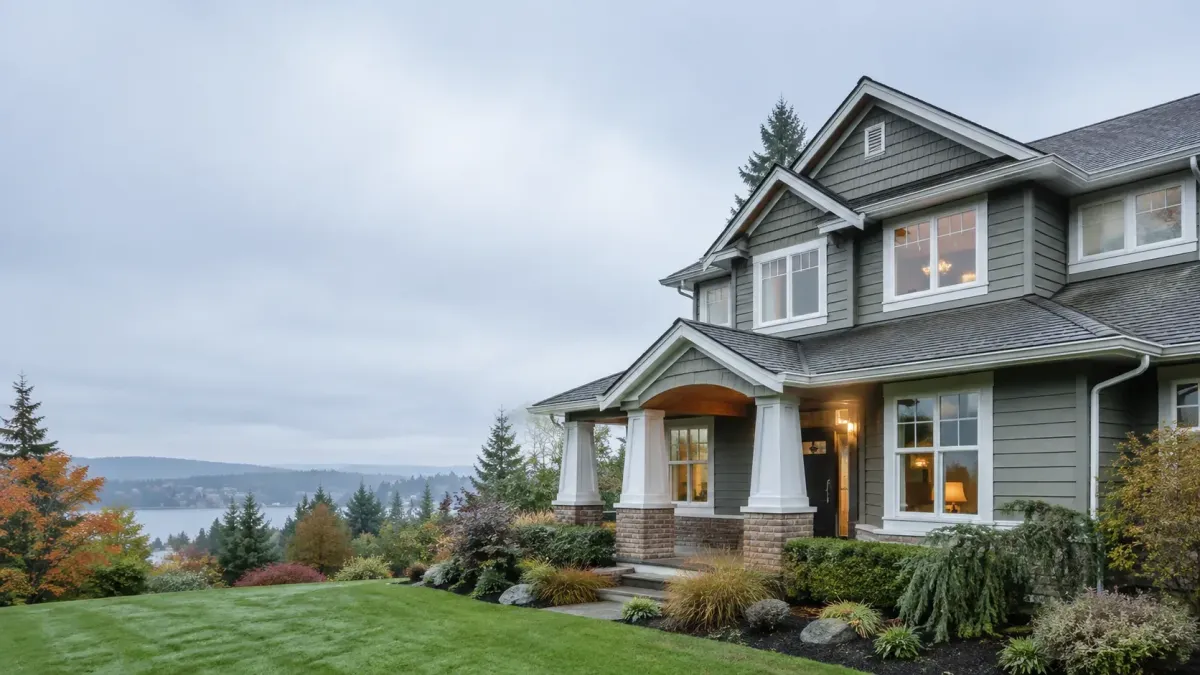
Maple Valley is forested rural-suburban with larger lots than anywhere else we work, and that setting produces a specific and consistent problem. Surrounding forest floor holds water, seasonal rainfall through the Cedar River watershed is heavy, and homes around Lake Wilderness sit on ground that stays damp long into the dry months. Vented crawl spaces in that environment take on moisture continuously. Almost every house here is a legitimate candidate for vapor barrier work and closed cell encapsulation, and that is unusual enough to be worth saying plainly. The building stock is mostly 1980s through 2000s across Maple Ridge and Summit at Meridian, which is newer than most of the region and means baseline insulation is generally present. Present is not the same as sealed, and the rim joist is almost always the gap.
Encapsulation Candidates Across the City
There is a dividing line running through this housing stock that matters financially. Puget Sound Energy's weatherization rebates apply to site-built homes built in 1989 or earlier, so the older end of Maple Valley's stock can qualify while the 1990s and 2000s tract homes cannot. The work is often still worth doing on the newer houses, particularly rim joist sealing and attic air sealing, but it should be budgeted without an incentive attached. Permits route through the Maple Valley Community Development Department. Water is Water District 111, also known as the Lake Meridian Water District, with the Covington Water District covering portions of the city. We confirm that date against the county record before the proposal rather than after the invoice.
Ground Moisture From the Forest Floor
Crawl space work is the main event in Maple Valley and the reason is the ground. Forest floor around Lake Wilderness and through the Cedar River watershed holds water well past the rainy months, and a vented crawl space above that soil takes moisture on continuously rather than seasonally. Vapor barrier condition is the first thing we check and it fails more often here than anywhere else we work, usually torn at the access or short-lapped at the piers. Once the ground is controlled, encapsulation is worth pricing on most properties in this city, which is not something we would say about a drier area. Whether it beats subfloor insulation depends on where the ducts run. Properties on the wooded lots around Lake Wilderness show this most consistently, and the larger lot sizes across the city mean crawl space access is usually good enough to do the work properly.
Rim Joist Sealing on Newer Tract Homes
Attics on Maple Valley's 1980s through 2000s stock usually start from a better baseline than the older cities around here, with real depth already in place. The remaining gap is air sealing, because the ceiling plane penetrations were rarely treated even in newer construction, and heavy tree cover means these attics get less solar drying than an exposed roof would. Sealing the plane, keeping the soffit path open and topping up to R-49 is the standard scope. On homes built in 1989 or earlier the work can carry a rebate, and on the newer tract houses across Maple Ridge it will not, which we establish from the build year. Heavy canopy across the Lake Wilderness area also keeps roof surfaces damp longer after rain, which makes keeping the soffit path clear more important here than on an exposed suburban roof.
Closed Cell Below the Subfloor
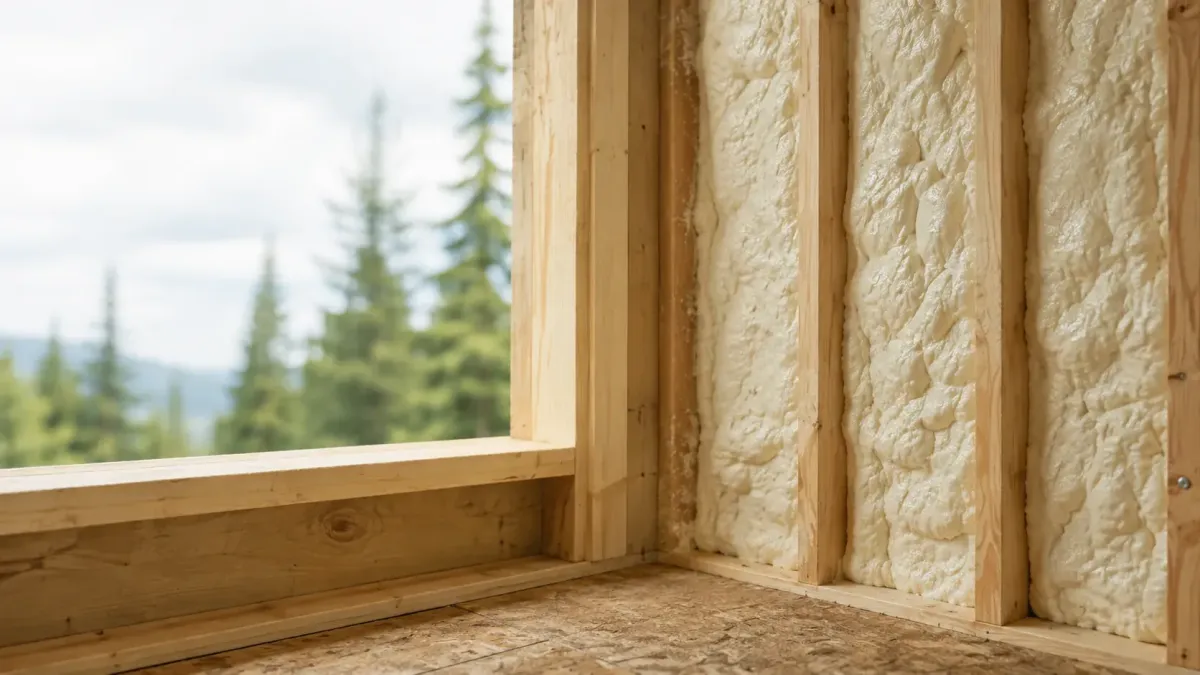
Closed cell is the material the ground conditions here call for. Below the subfloor and at the rim joist, in an environment where moisture from the forest floor moves up continuously, vapor resistance is doing as much work as R-value. It is also what we use on crawl space walls when a property is going the encapsulation route, which more houses around Lake Wilderness are than in any other city we serve. On the newer homes across Summit at Meridian where the crawl space is dry and the floor insulation is already sound, we generally scope the rim joist alone and leave the rest, which is a smaller job than most people expect to be told they need. On the Cedar River side of the city where lots back onto standing timber, we price encapsulation as the default option and let the ducts decide, rather than treating it as an upsell.
Spray foam insulation for Renton homes, installed to the rebate rules that actually apply.
Comprehensive Spray Foam Insulation Services in Renton
Tailored to Your Needs
Ten services, and they are not variations on one job. Foaming a vented crawl space, injecting an empty wall cavity, and stripping failed foam out of an attic are different scopes with different equipment and different inspection paths. Start with the one that matches what your house is doing.
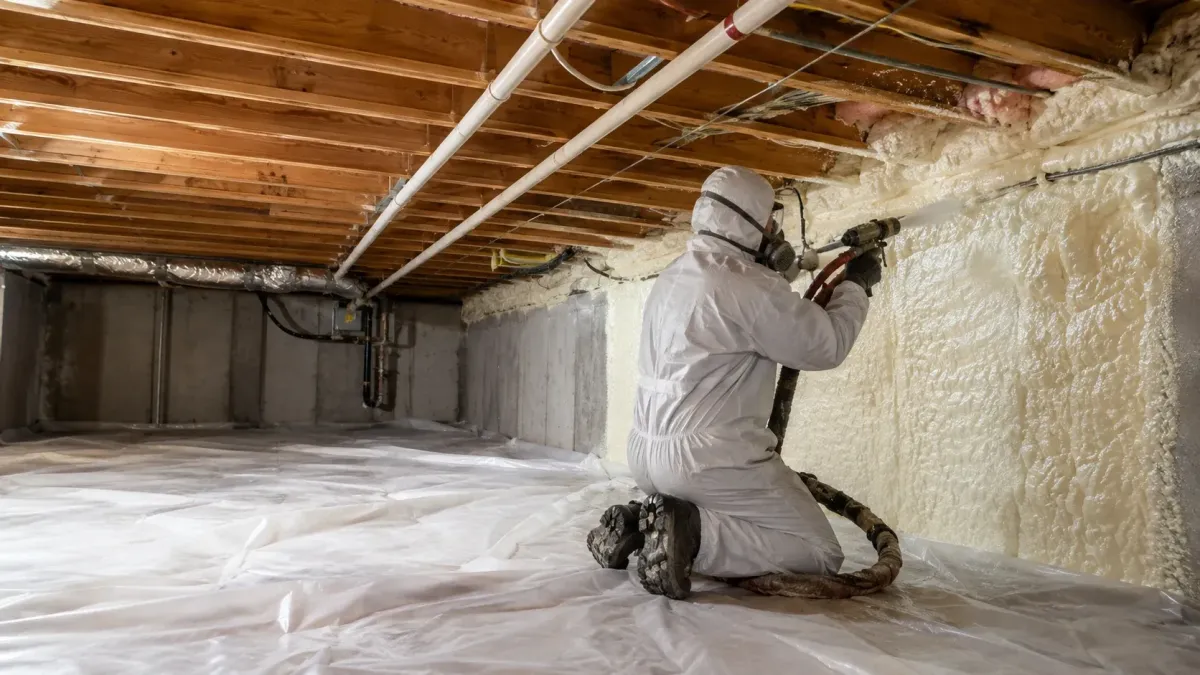
Crawl space work starts with ground moisture, because insulation over wet ground fails.
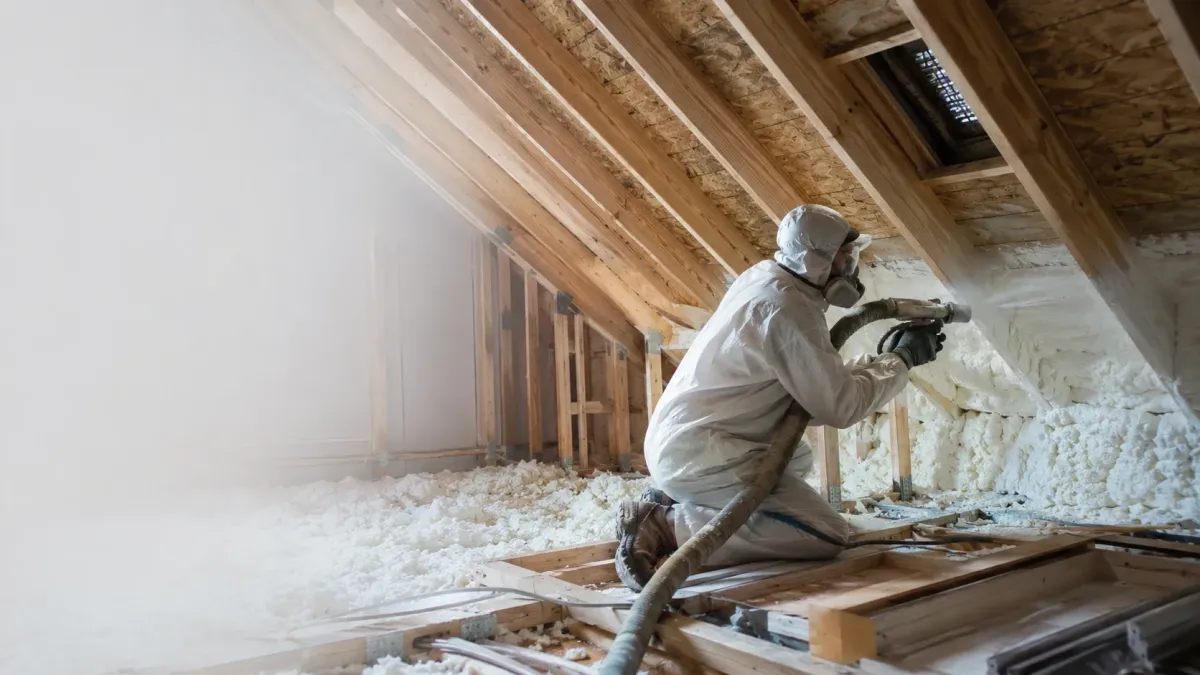
Most attic heat loss is air moving through penetrations, not heat conducting through insulation.
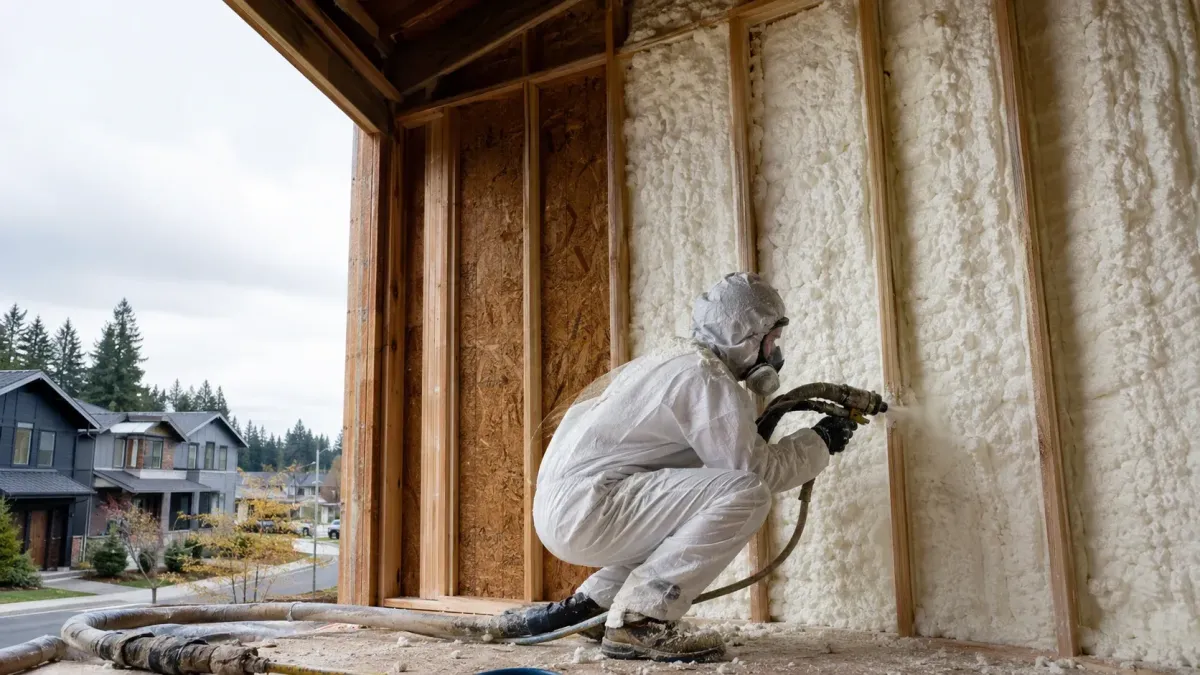
Closed cell gives the highest R-value per inch and resists vapor movement.
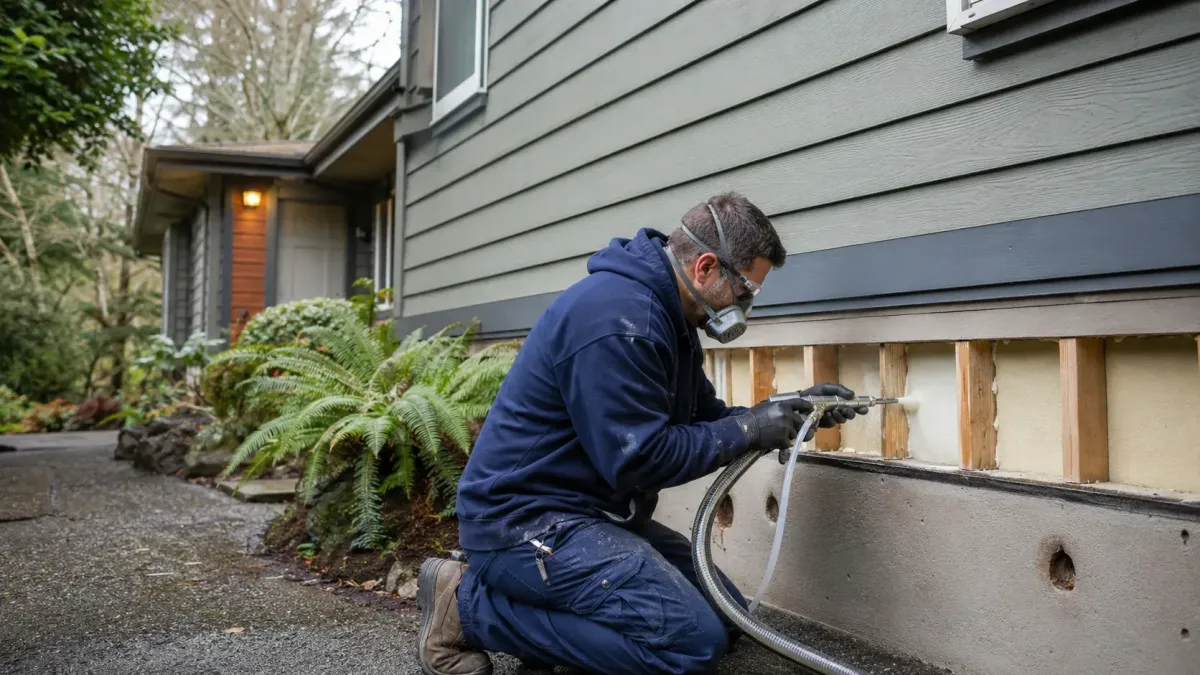
Injection fills empty stud cavities through small holes, without removing the wall.
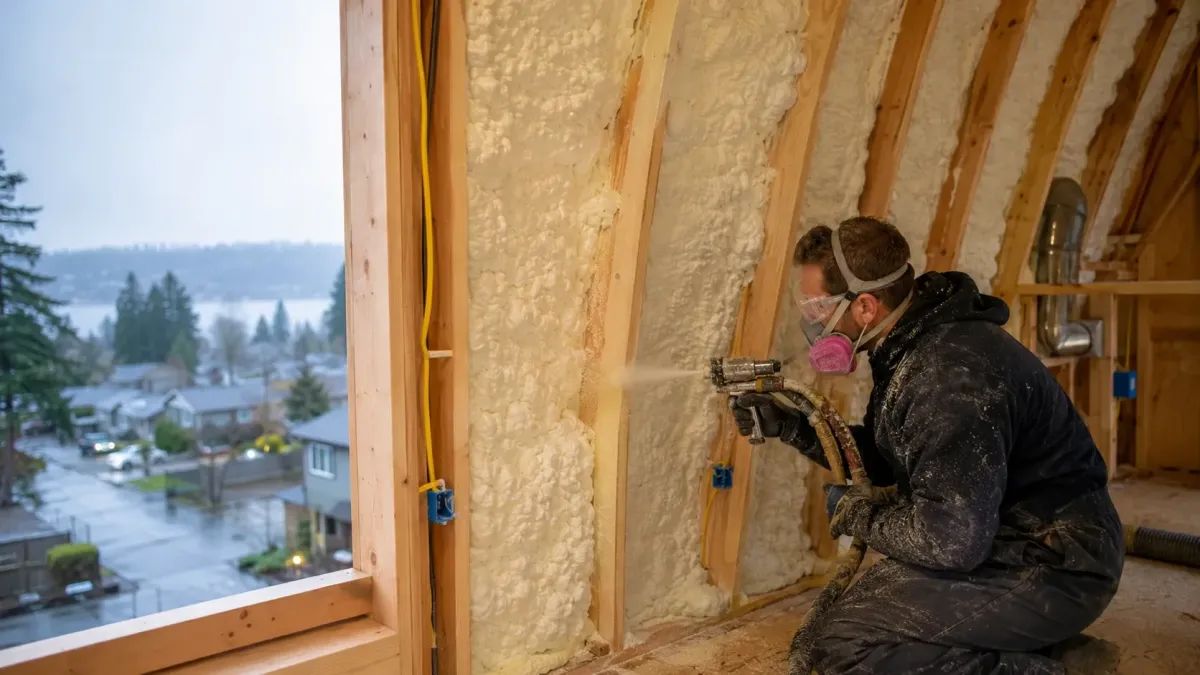
Open cell expands further, costs less, and dampens sound far better than closed cell.
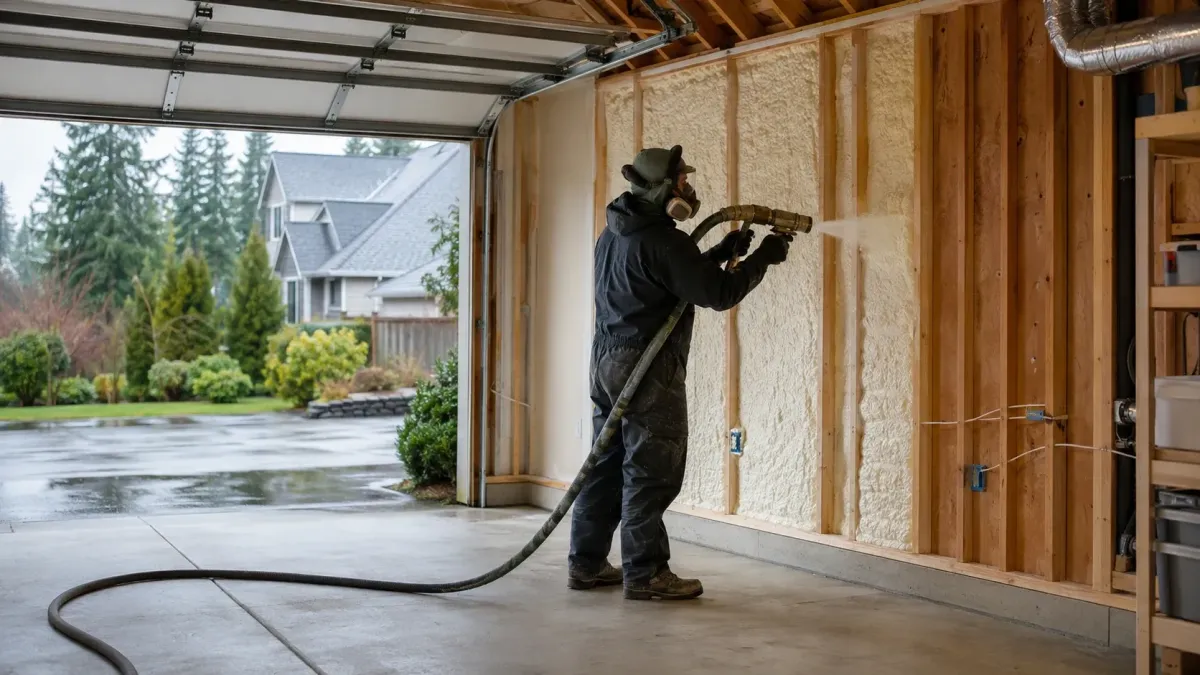
A garage works year round when wall, ceiling and door are treated together.
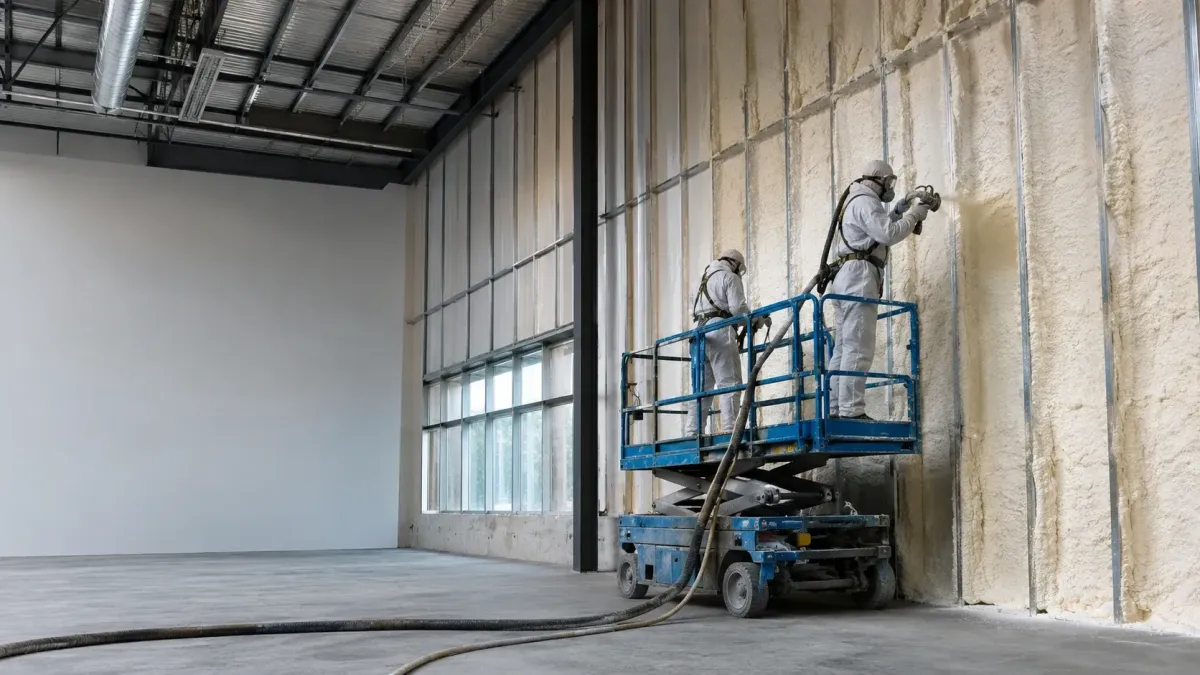
Commercial work is priced against the building and scheduled around your operation.
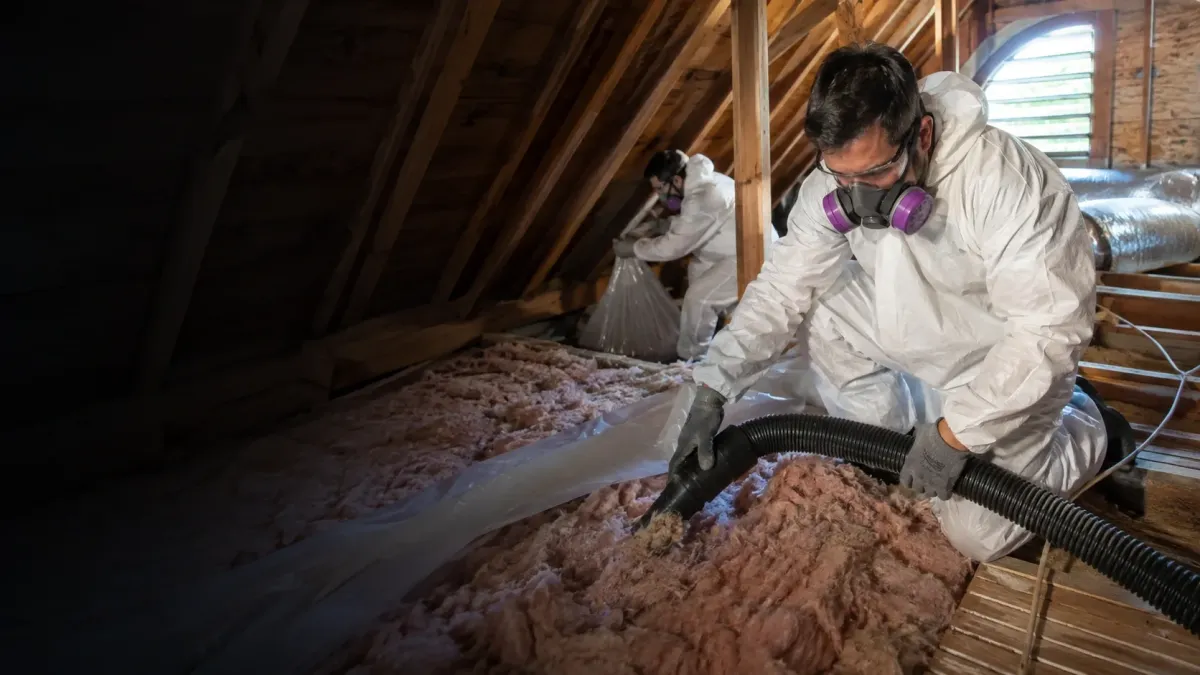
Removal is contained, dirty work, and the cavity must be clean afterward.
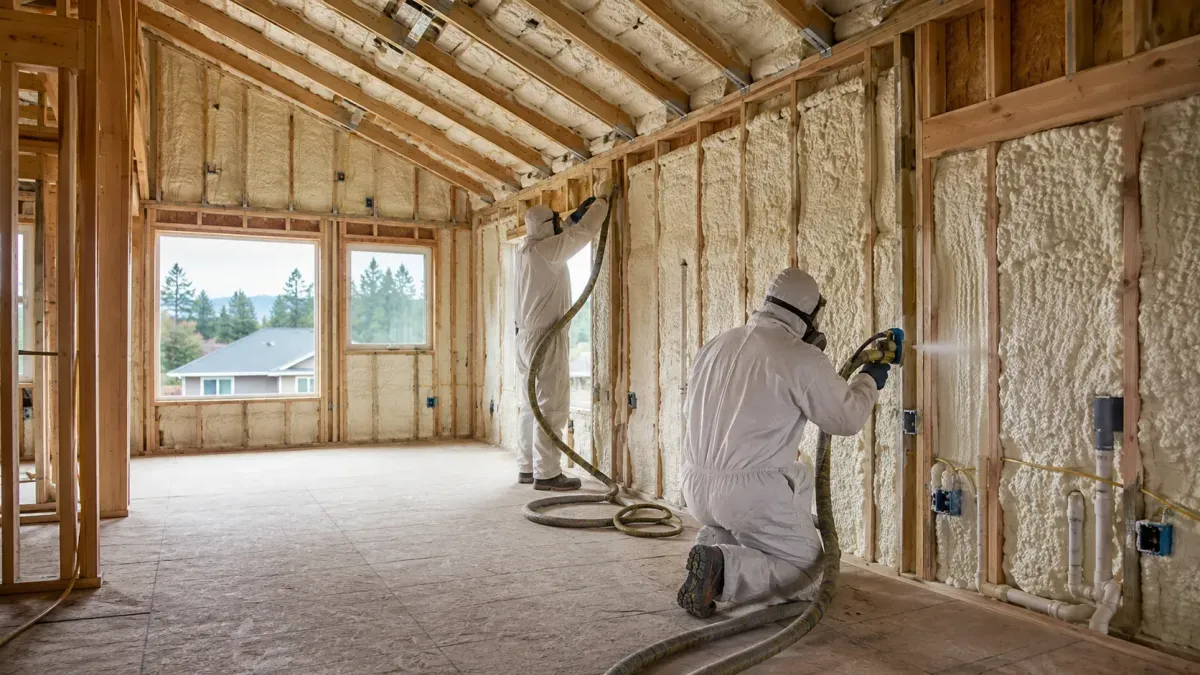
The insulation slot sits between rough-in sign-off and drywall, and rarely moves.
Foam is priced by board foot, so depth moves the number more than area.
Frequently Asked Questions
Spray Foam Insulation can be complex, and we’re here to provide answers to common questions. Here are some frequently asked questions from our clients.
Frequently Asked Questions about spray foam insulation renton wa
Why is spray foam insulation now a red flag?
The reputation comes from a real failure mode. Foam installed at the wrong ratio, over a damp substrate, or in an assembly that needed to dry in that direction can shrink, pull away, or hold moisture against sheathing. It is a red flag when a home inspector cannot see behind it to check. Correctly mixed foam, in an assembly chosen for it, with the moisture source fixed first, does not behave that way.
What is the downside of spray foam insulation?
Cost per square foot is higher than batt or blown-in, and it is difficult to reverse. Closed cell also becomes part of the structure once it cures, so future wiring or plumbing runs are more work. In some assemblies it changes how the building dries, which is why the decision has to be made per assembly rather than per house.
Is spray foam insulation worth it?
It is worth it where air leakage is the actual problem and the assembly suits it, which in Renton usually means crawl spaces, rim joists, empty wall cavities and garages. It is a poor value where a vented attic could simply be air sealed and topped with blown-in to the same effect for less money. We tell you which case you are in during the assessment.
Why is it hard to sell a house with spray foam insulation?
Some lenders and appraisers flag foam because they cannot inspect the structure behind it, particularly at a roof deck. The way through is documentation. Keep the installation photos, the product data sheet, the depth and R-value achieved, and the permit record, and hand that file to the buyer. We put that package together for every job for exactly this reason.
How do I qualify for PSE insulation rebates in Renton?
Puget Sound Energy has to be your primary heat source, the home has to be single family or a manufactured home, and a site-built house has to have been built in 1989 or earlier. The existing insulation depth has to fall under the program threshold, the work has to leave the thermal boundary where it is, and it has to be installed by a PSE Trade Ally. PSE pays the rebate as an instant deduction on your invoice rather than sending you a check.
Is spray foam better than fiberglass in this climate?
They solve different problems. Fiberglass slows heat moving through a cavity but does nothing about air moving around it, and in this climate the air leakage is usually what you feel. Foam handles both at once. In a wall cavity that is already full of fiberglass and performing, replacing it is rarely worth the money, and we will say so.
Still Have Questions About spray foam insulation renton wa?
Speak With a Trusted Spray Foam Insulation Expert Today.
What Our Satisfied Clients Have to Say About
We pride ourselves on delivering great results and experiences for each client. Hear directly from home and business owners who’ve trusted us with their Spray Foam Insulation needs.

Our Kennydale crawl space smelled like a wet basement every spring. They found the vapor barrier had torn along two runs, fixed the ground moisture first, and only then came back to foam the rim joists. I appreciated that they did not just spray over the problem.
Nathan P.
We have one of the old defense-era houses in the Highlands with completely empty wall cavities. They injected the walls, walked us through the PSE Trade Ally paperwork, and the instant rebate came straight off the invoice instead of being something we had to chase later.
Delia R.
Bought a place off Benson Hill where a previous owner had foamed the attic badly and it was pulling away from the deck. They removed all of it, cleaned the cavity out, and reinsulated at the ceiling plane. Not a fun job and they were straight with us about the mess.
Marcus V.
The Trusted Spray Foam Insulation Expert Near You
Ready to hear more about expert services at ?
Contact us today to receive a detailed, no-obligation quote.


